Objects That Carry the Story of Exchange
The museum's collection brings together objects that reflect the movement of people, materials, ideas and traditions across Ladakh and Central Asia.
Rather than viewing these objects only according to their place of origin, the museum is interested in the journeys and relationships they represent.
Many objects carry evidence of exchange. Materials, techniques, forms and motifs travelled across geographical and cultural boundaries, demonstrating the close relationships that existed between Ladakh and the regions beyond its borders.
The Lantern
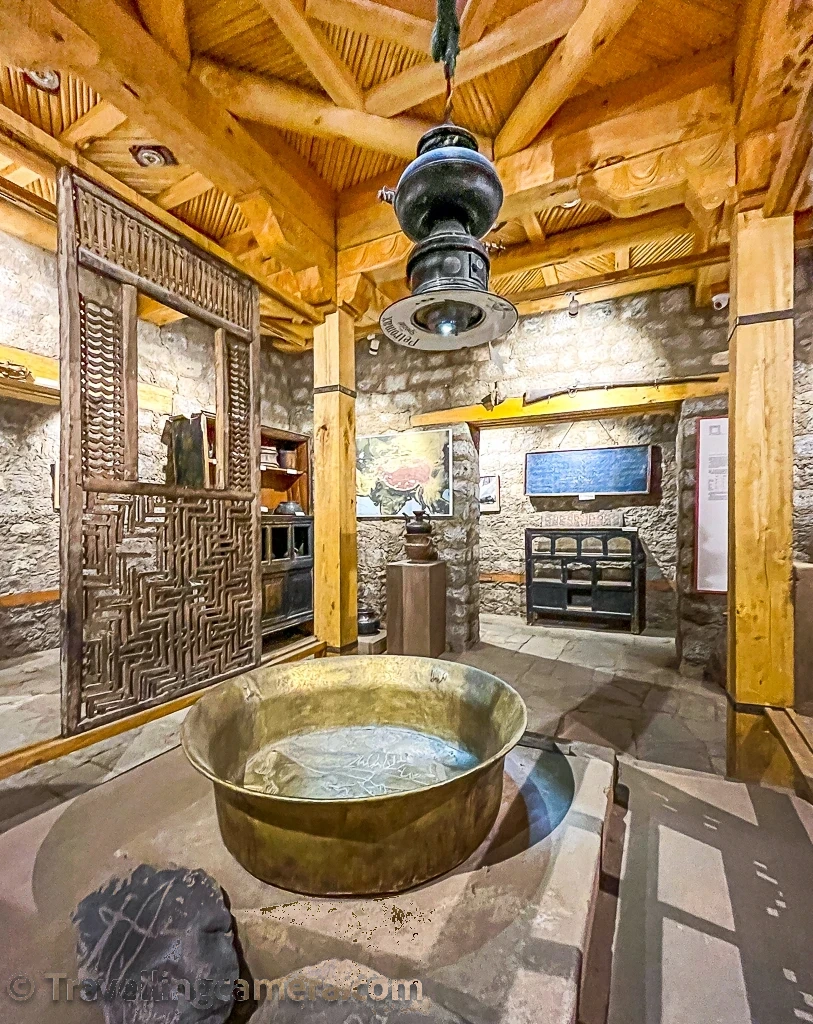
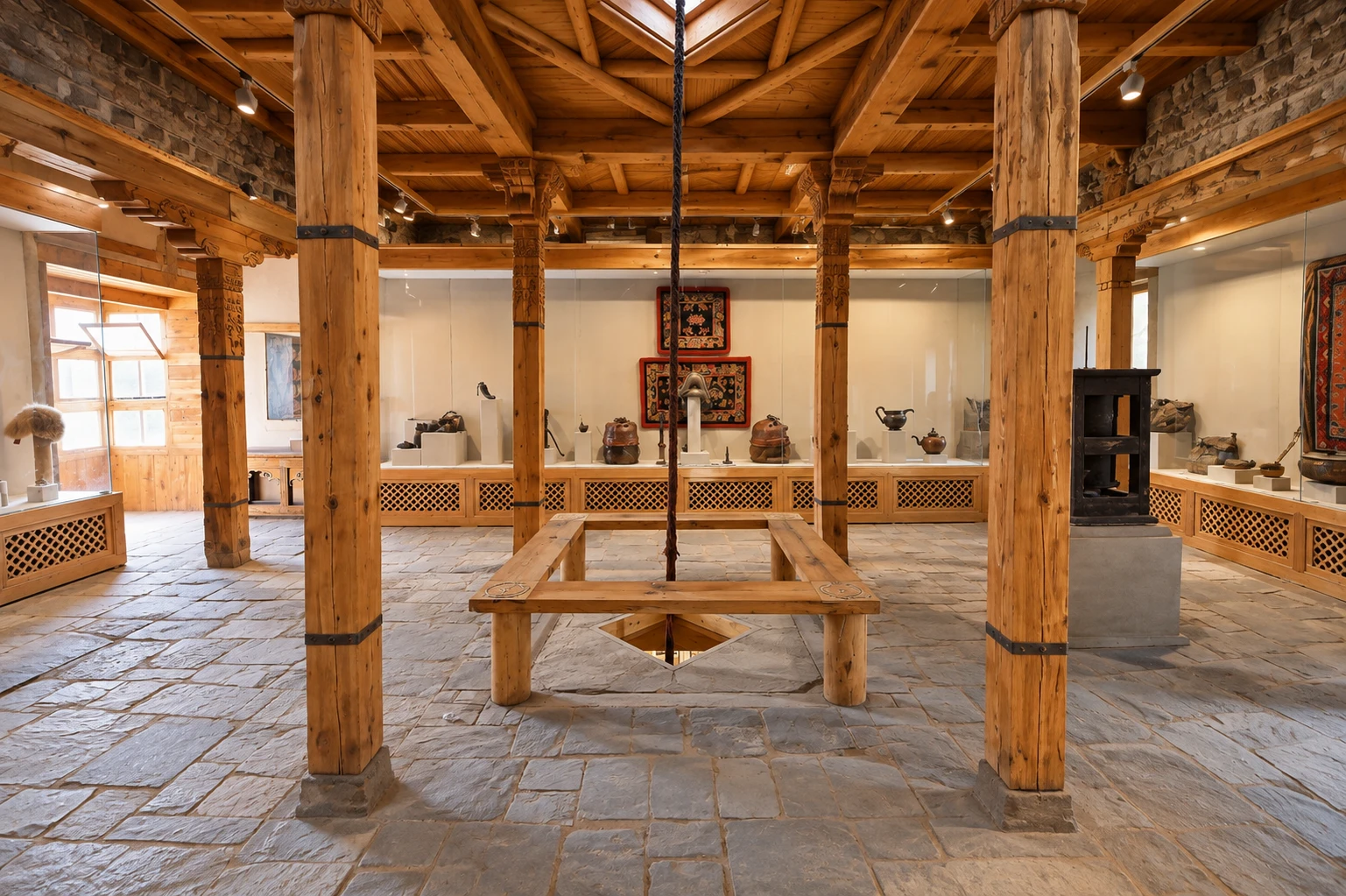
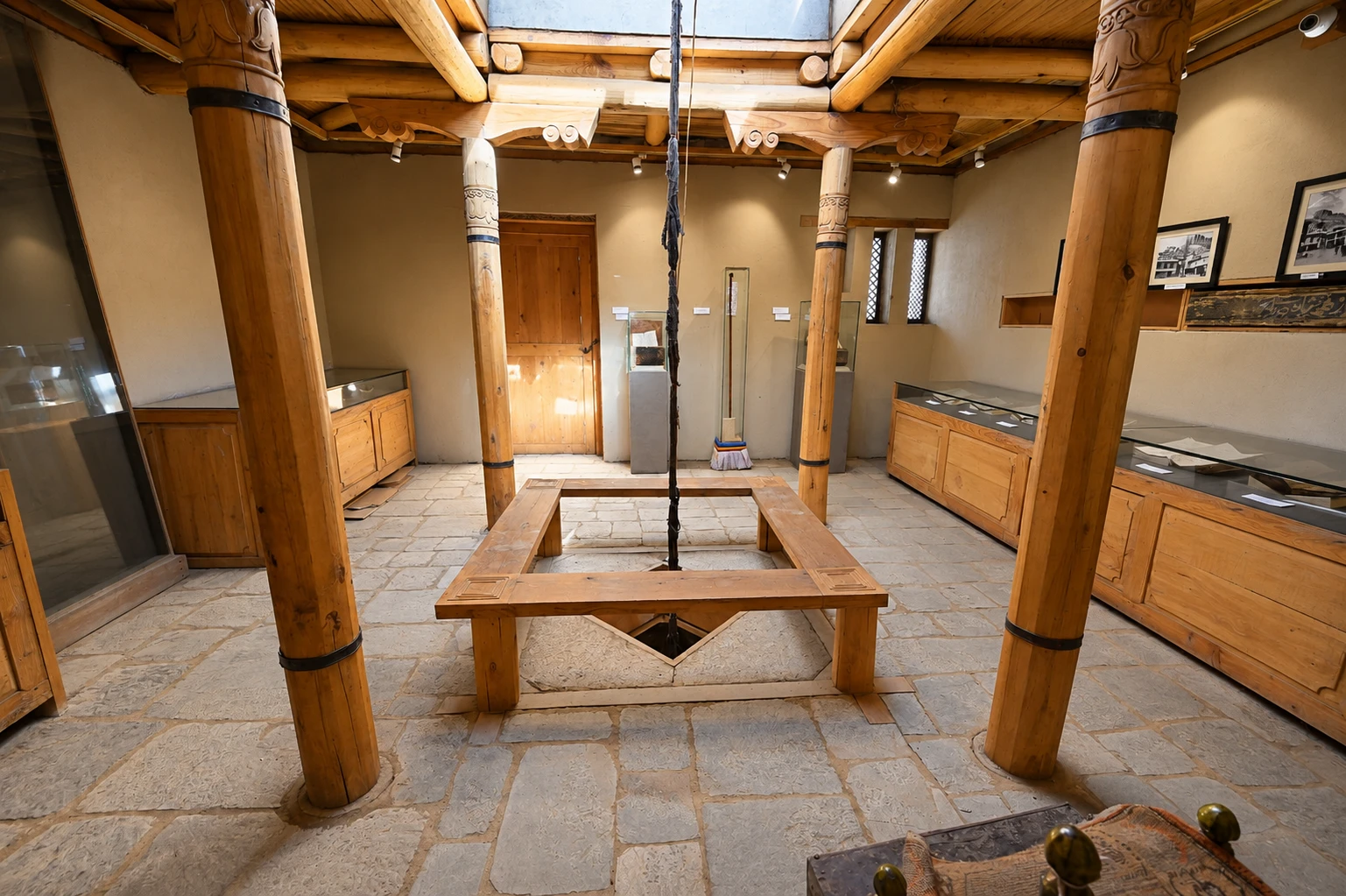
The building itself makes the same argument. A carved wooden lantern rises through the centre of the tower, and every gallery is arranged around its opening, so the four floors are always visibly linked. It was conceived as a symbol of the different cultures that live together in Ladakh. The collection follows that idea: objects from Ladakh, Central Asia and Tibet are shown not as separate worlds, but as parts of one connected story.
Collection Categories
The collection includes 12 categories, spanning textiles, utensils, household objects, trade-related materials, religious objects, manuscripts, photographs, tools and other material associated with the social and cultural history of the region.
Daily Life
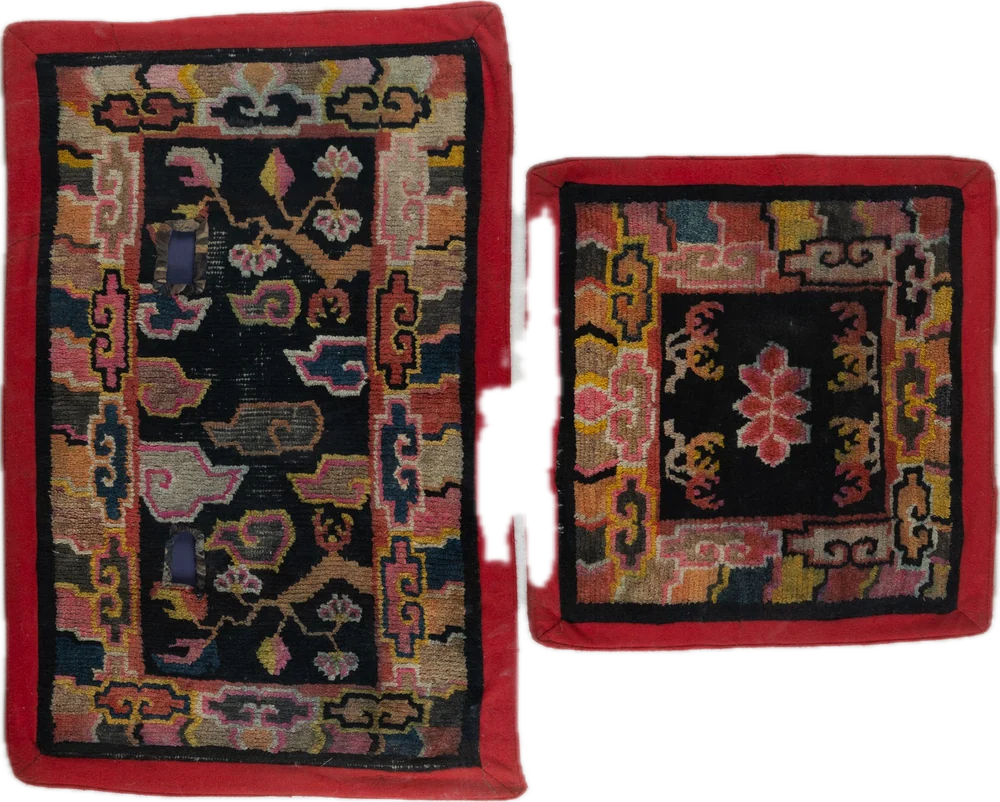
- 01Textiles
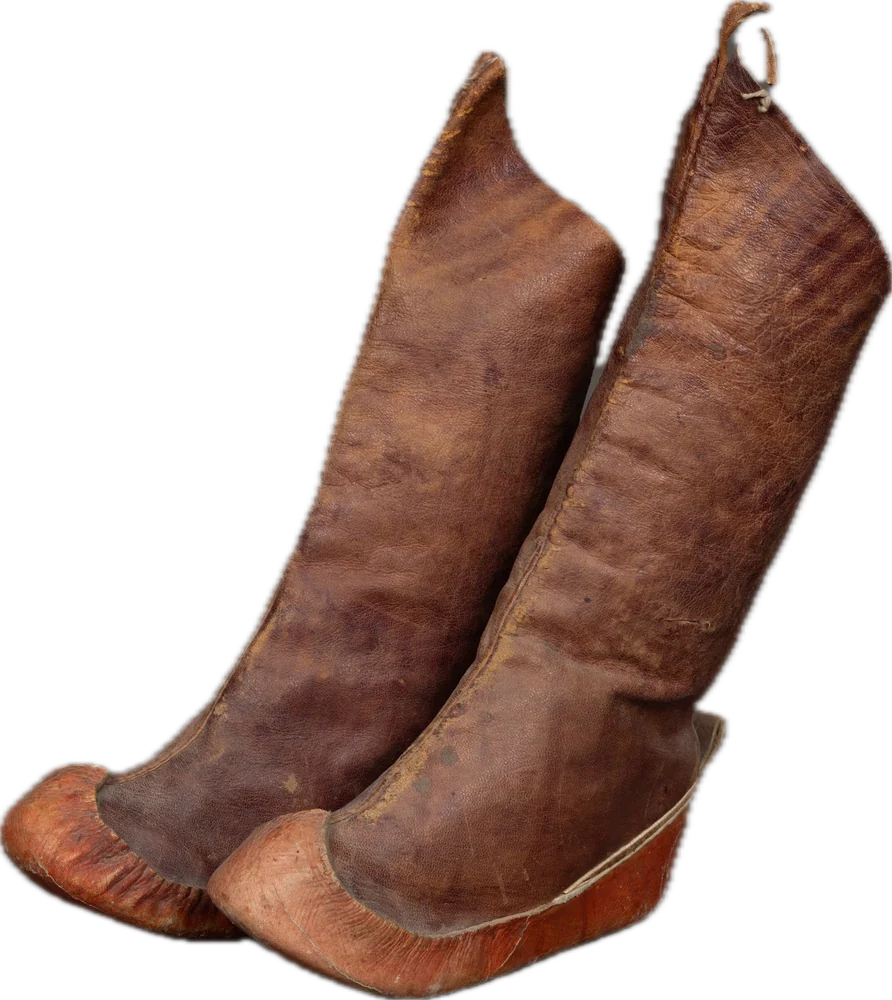
- 02Costume
- 03Utensils
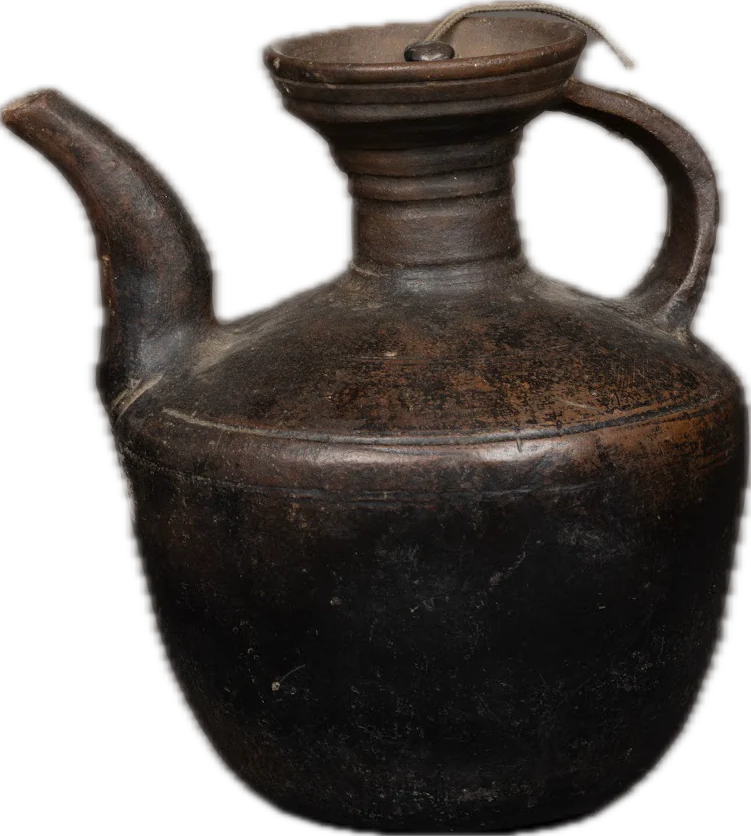
- 04Household Objects
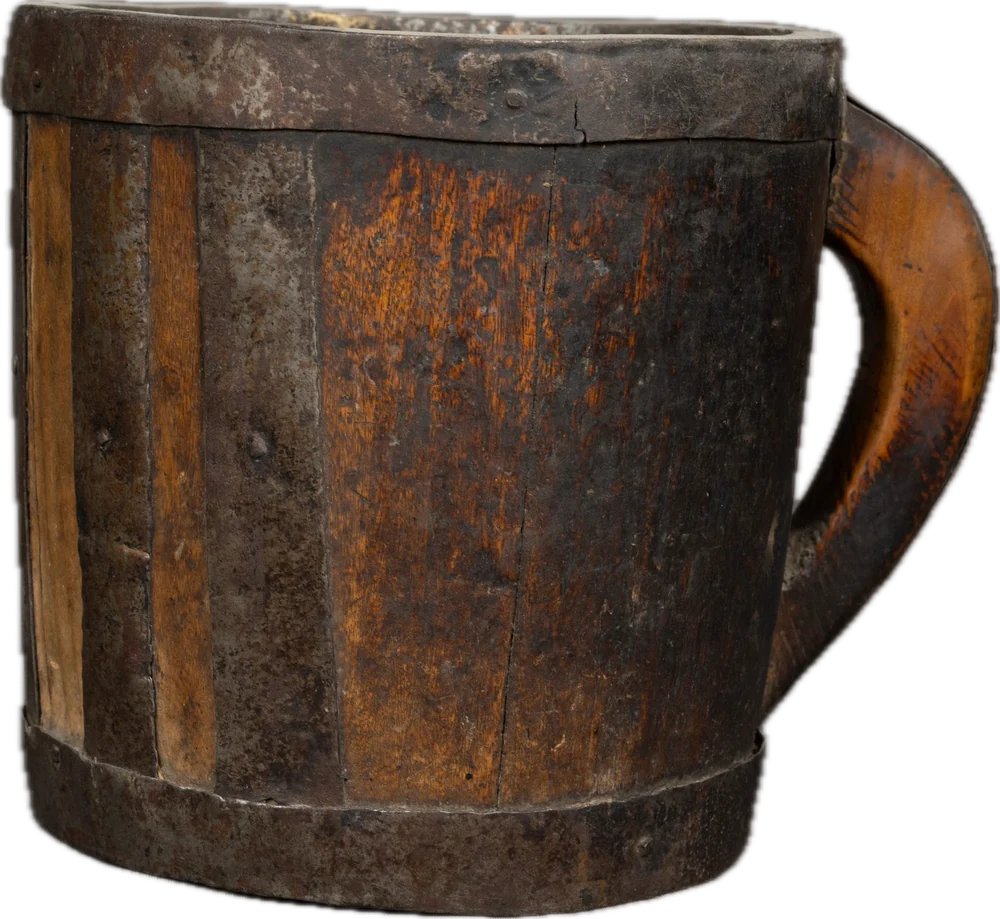
- 05Tools
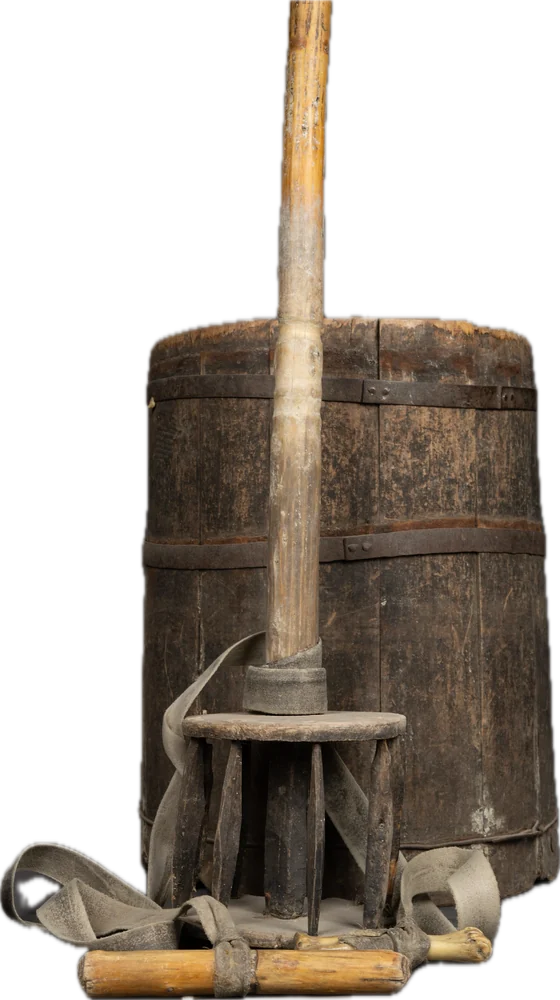
Trade & Travel
- 06Trade Objects
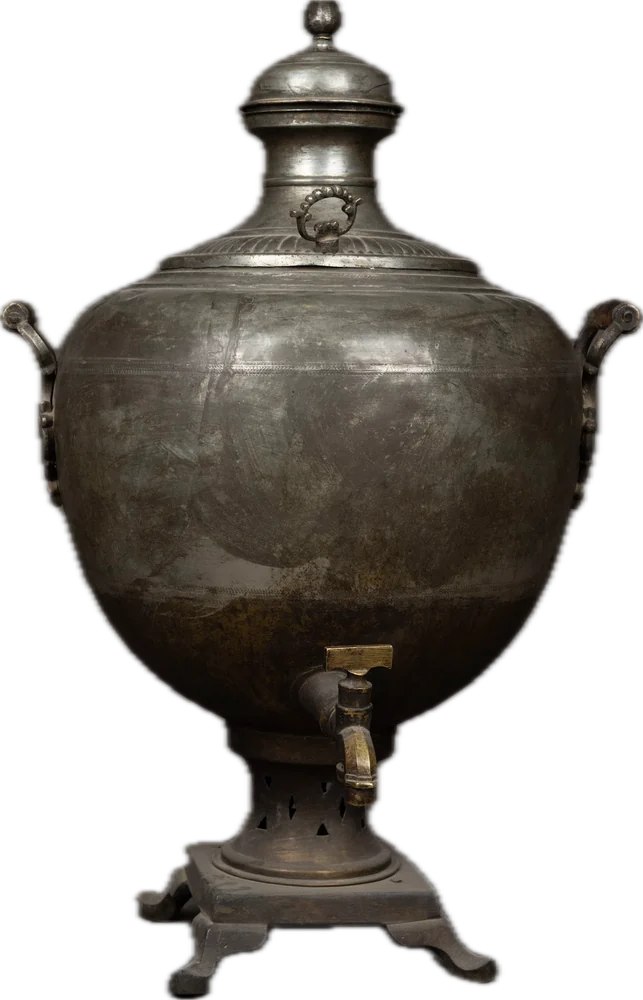
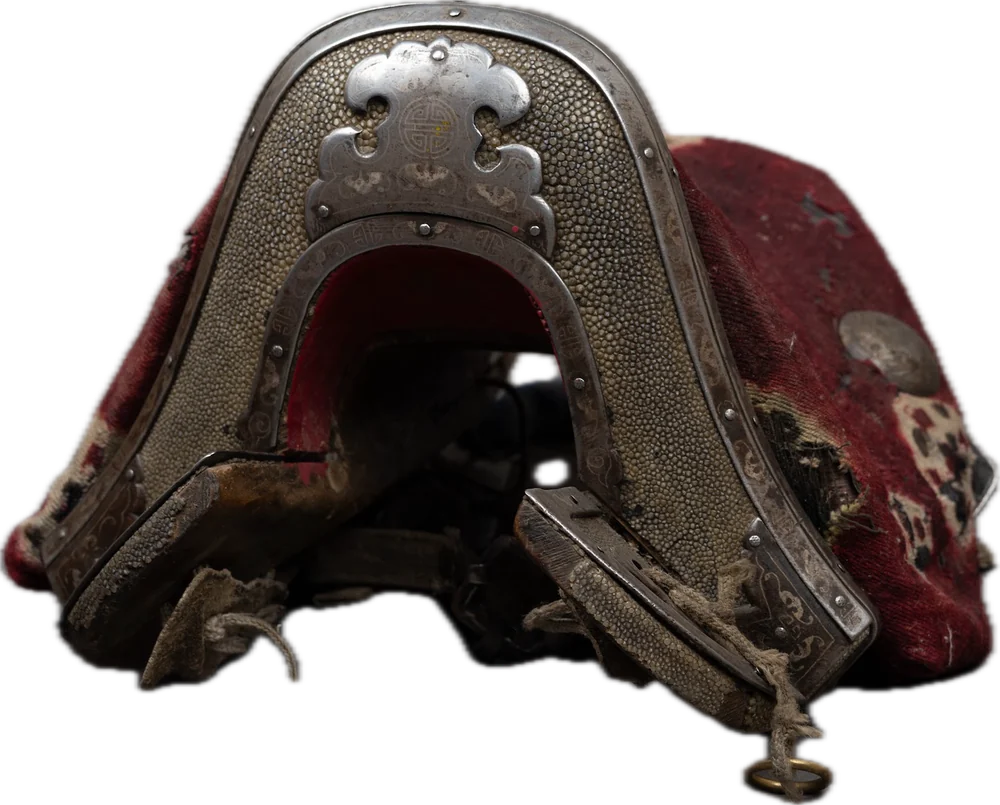
- 07Caravan & Horse Gear
- 08Weapons

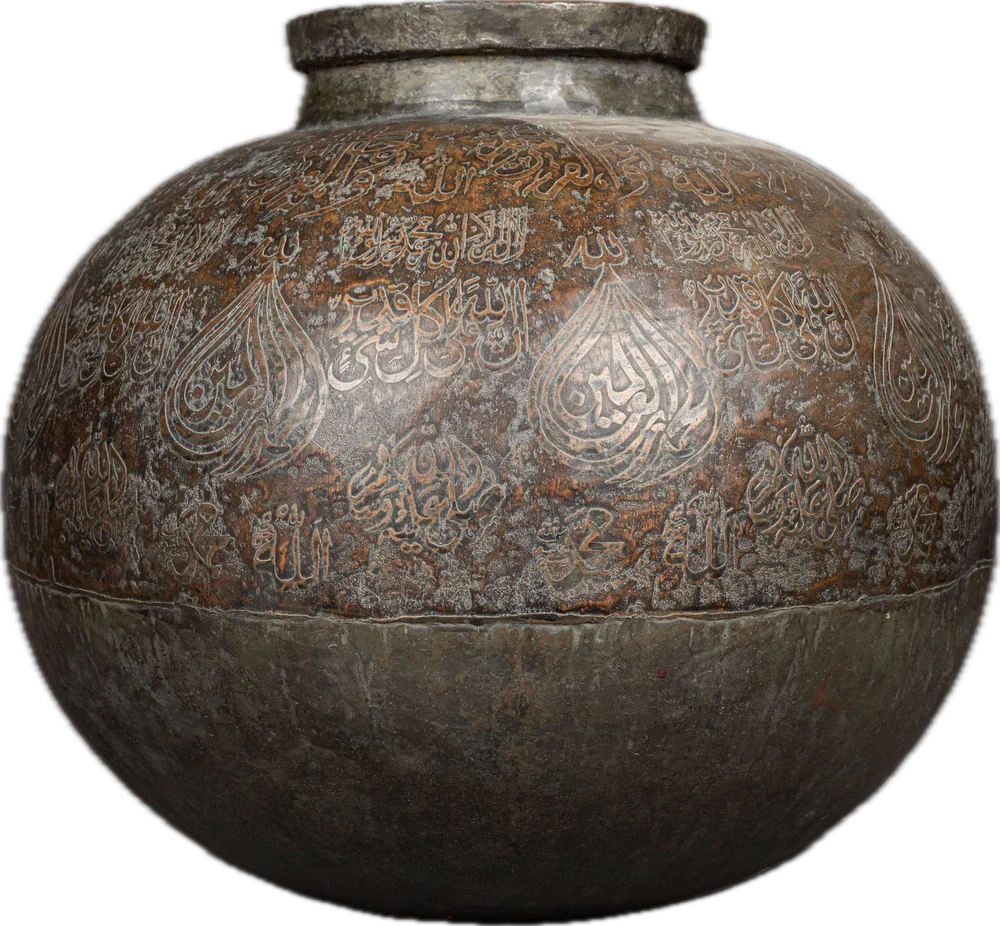
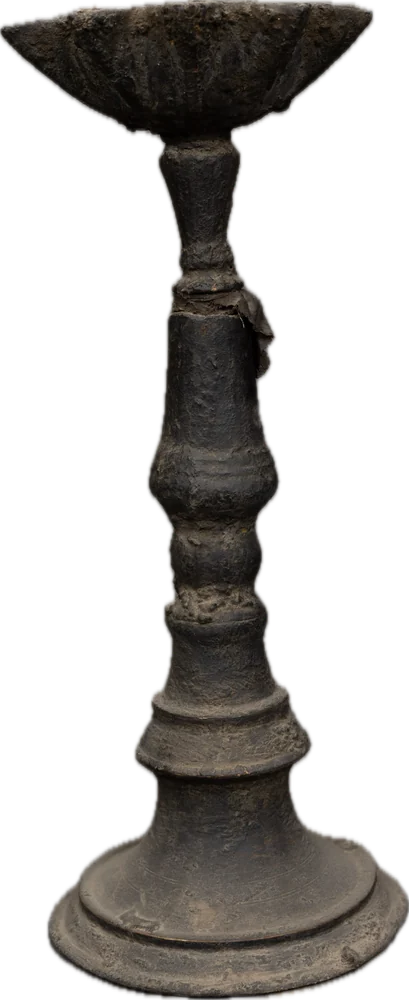
- 09Metalwork
Faith & Record
- 10Religious Objects
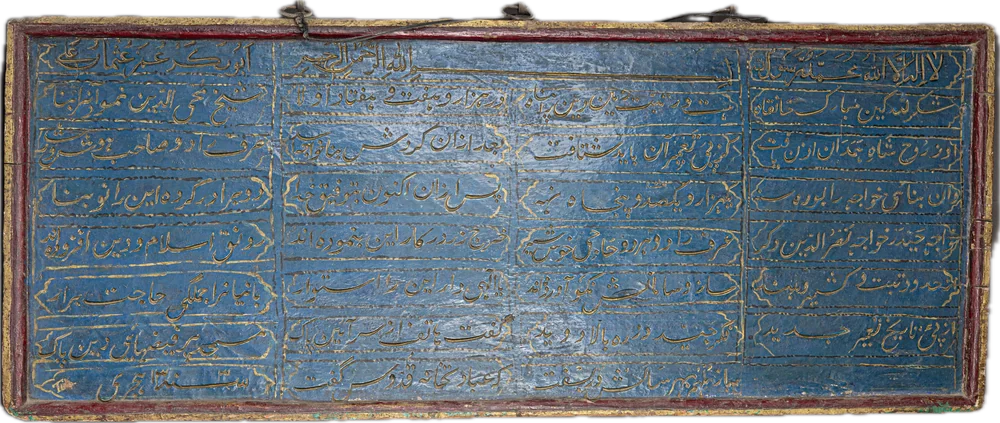
- 11Manuscripts
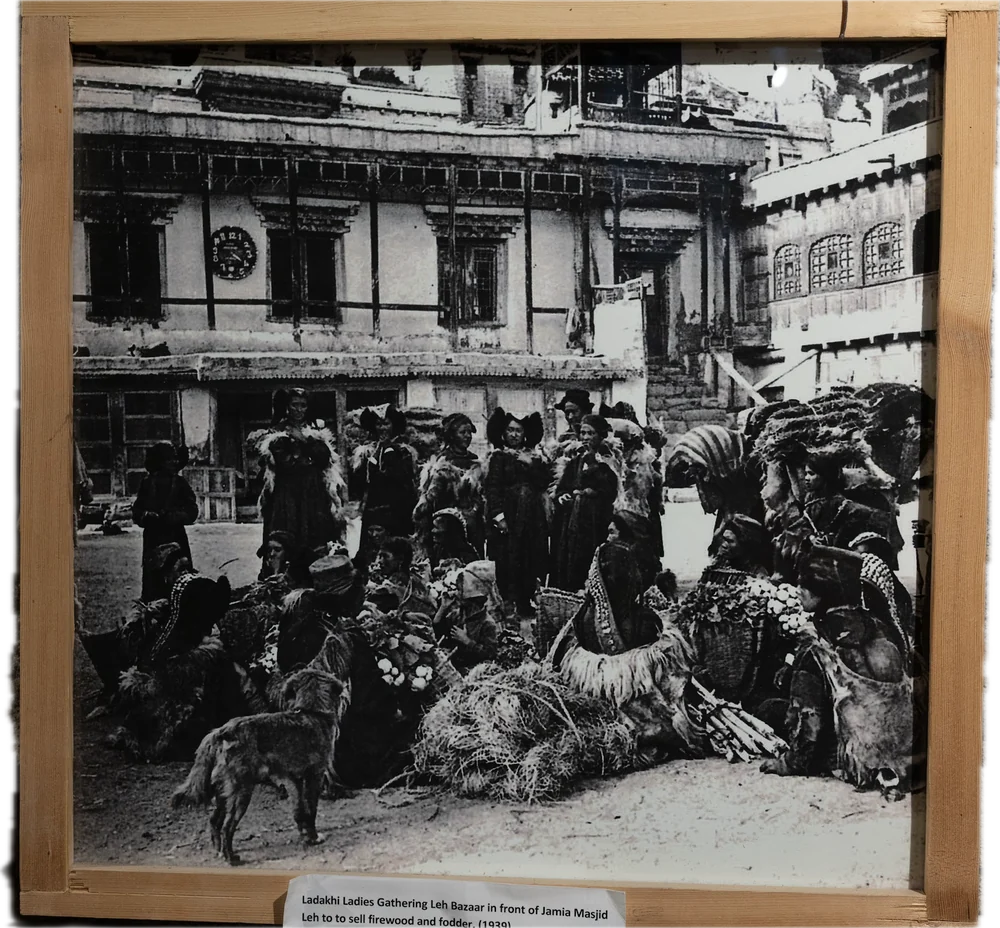
- 12Photographs
Floors & Sections
Four Floors, Four Stories
The Central Asian Museum is organised across four floors, with each level presenting a distinct aspect of the region's cultural history. Together, the galleries explore Ladakh's own cultural heritage, its historic connections with Central Asia and Tibet, and the archival records that document these histories.

Level One · Ground Floor
Ladakh Section
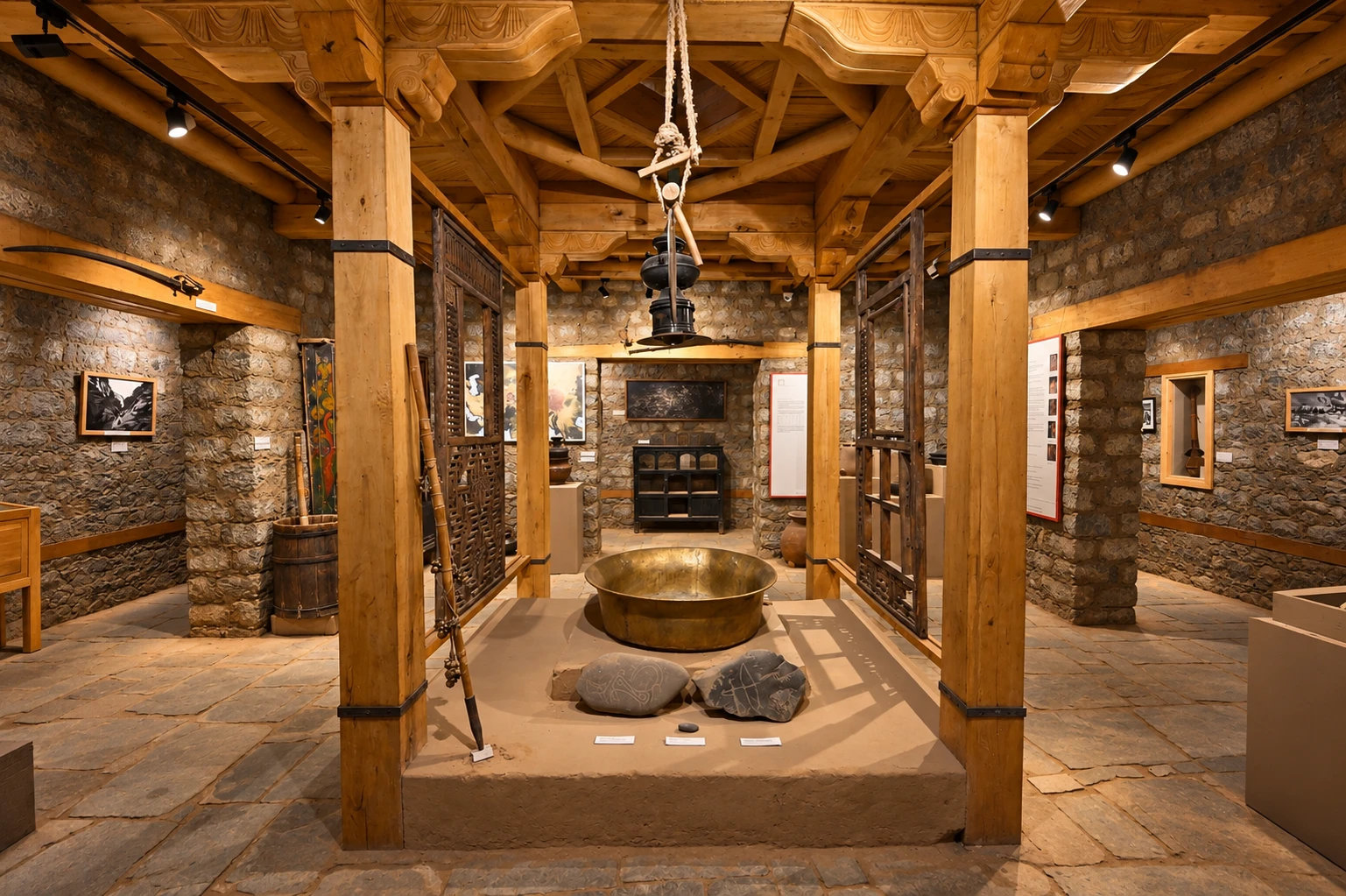
The ground floor introduces visitors to the cultural heritage of Ladakh. The collection reflects the region's diverse communities, traditions and ways of life, bringing together objects that offer an insight into everyday life, utensils, craftsmanship and material culture. The section explores the relationship between people and the landscape of Ladakh, while also highlighting the cultural diversity that has developed across the region over centuries. The objects on display provide a glimpse into the traditions and practices that continue to shape Ladakh's identity today.
This floor serves as an introduction to the museum and provides the foundation for understanding Ladakh within its wider regional and historical context.
Level Two · Floor 1
Central Asian Section
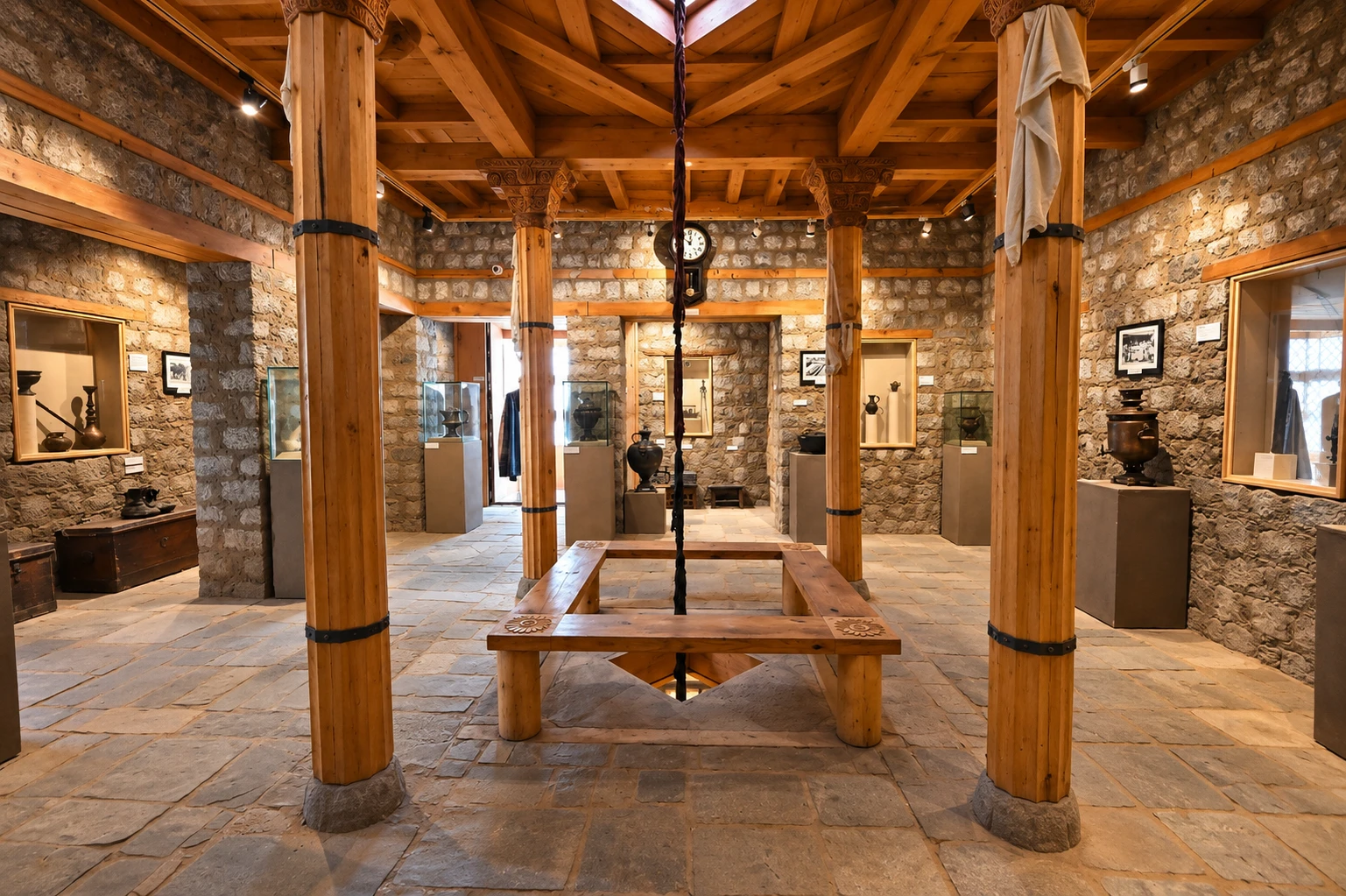
The Central Asian section explores the historic connections between Ladakh and the wider Central Asian world. For centuries, Leh served as an important point along networks of trade and travel linking the Indian subcontinent with Central Asia, Tibet and neighbouring regions.
The objects displayed on this floor reflect the movement of goods, people, ideas and artistic traditions along these routes. Textiles, costumes, household objects, trade-related materials and other artefacts offer glimpses into the cultural exchanges that took place across geographical and political boundaries.
Rather than presenting Central Asia as a distant or separate region, this section highlights the connections that existed between communities and demonstrates how these interactions influenced the material and cultural life of Ladakh.

Level Three · Floor 2
Tibetan Section
The Tibetan section explores the longstanding cultural, religious and artistic connections between Ladakh and Tibet. The relationship between the two regions extends across centuries, shaped by shared Buddhist traditions, pilgrimage, scholarship, artistic exchange, trade and movement across the Himalayan landscape.
The collection presents objects that reflect aspects of Tibetan cultural and religious life and their connections with Ladakh. Visitors can explore traditions of craftsmanship, religious practice, visual culture and everyday life, while considering the ways in which ideas and artistic forms travelled across the region.
The section also highlights the close cultural relationships that have existed across the Himalayas, demonstrating that historical boundaries did not prevent the movement of people, knowledge, objects and traditions.

Level Four · Floor 3
Temporary & Changing Exhibitions
The top floor hosts temporary and changing exhibitions, and is home to the museum's archival collection.
The archival collection brings together documentary material that provides an important record of Ladakh's social, cultural and historical past. The collection includes manuscripts and archival records, offering researchers and visitors an opportunity to engage with historical sources beyond the museum's material collections.
The archives complement the objects displayed throughout the museum by providing additional context about the people, places and events associated with them. They also document changing aspects of life in Leh and the wider region.
The archival floor serves as a resource for research, education and documentation, while supporting the museum's broader commitment to preserving and making accessible the historical record of Ladakh and its connections with neighbouring regions.
Provenance
Where the Objects Come From
The museum's objects come from different regions of Ladakh. Many have been donated and some purchased.
Where available, the museum records information about an object's maker, owner, place of origin, date, material, function and history of acquisition. Documenting provenance is an ongoing process and forms an important part of the museum's work.
The museum is committed to responsible documentation and care of its collections and to continuing research into the histories of the objects in its care.